How to Get Rid of Ants in Your House: A Complete Guide
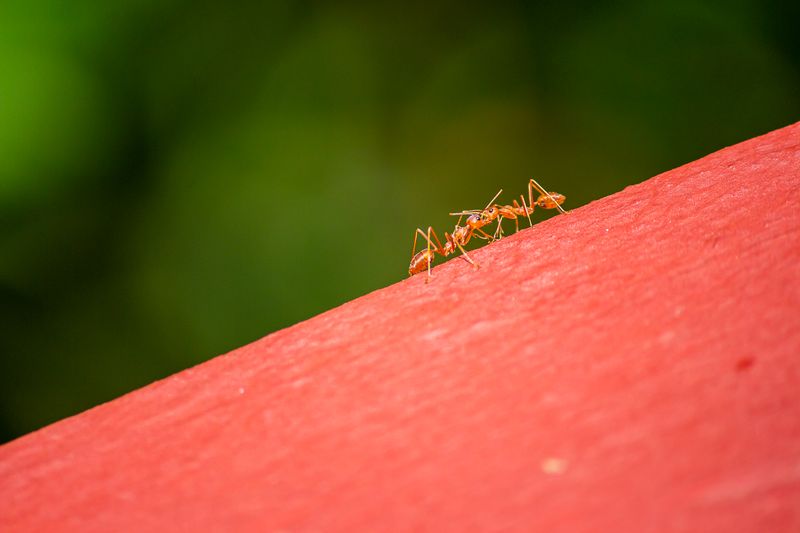
Finding ants in your kitchen, bathroom, or anywhere inside your home is one of the most common pest problems homeowners face. The good news: with the right approach, you can eliminate an ant infestation and prevent it from coming back.
Step 1: Identify the Ant Species
Not all ants are the same, and misidentifying them leads to ineffective treatments.
- Odorous house ants – Small, dark brown ants that emit a rotten-coconut smell when crushed. Most common indoor invader.
- Pavement ants – Small black ants that nest under slabs and sidewalks; enter homes foraging for food.
- Carpenter ants – Large black ants that excavate wood to build galleries. Indicate a moisture problem.
- Fire ants – Reddish-brown ants known for aggressive stinging. Usually outdoor pests but can enter homes.
- Argentine ants – Form massive “supercolonies.” Very difficult to control.
Step 2: Find and Seal Entry Points
Ants are incredibly small — they enter through:
- Cracks around windows and door frames
- Gaps around utility pipes and cables
- Spaces under door sweeps and thresholds
- Cracks in the foundation
Use caulk or expanding foam to seal entry points. This alone won’t solve an active infestation, but it prevents future ones.
Ant Control Plan by Situation
Use the visible trail, location, and season to decide how aggressive your response should be.
| Situation | Best first move | What to avoid |
|---|---|---|
| A few ants on a counter | Clean the trail, place bait near the entry point, and watch for 48 hours | Spraying the trail before bait has a chance to work |
| Ants around a sink or dishwasher | Fix moisture, dry the cabinet, and bait nearby | Leaving a leak active while treating |
| Large black ants at night | Inspect for carpenter ants and damp wood | Ignoring possible structural moisture damage |
| Ants entering from mulch beds | Pull mulch back, seal gaps, and treat the exterior path | Relying on indoor spray only |
| Fire ants near doors or play areas | Use a labeled mound treatment or call a pro | Disturbing the mound without protection |
The goal is to interrupt the colony, not just kill the ants you can see. A trail on the counter is usually the last step in a much larger foraging pattern.
Step 3: Eliminate Attractants
Ants are foraging for food and water. Removing their motivation to enter is essential:
- Store all food in sealed containers (airtight glass or plastic)
- Clean up crumbs and spills immediately
- Empty and clean pet food dishes after feeding
- Fix leaky pipes and faucets (carpenter ants are especially attracted to moisture)
- Take out trash regularly
Step 4: Choose the Right Treatment
Ant Bait (Most Effective for Colonies)
Ant bait is a slow-acting insecticide mixed with food that worker ants carry back to the colony, killing the queen and other workers. It’s the most effective long-term solution.
How to use bait correctly:
- Place bait stations near ant trails, not on them
- Do NOT spray insecticides near bait — ants will avoid contaminated bait
- Be patient — full colony elimination can take 1–2 weeks
- Replace bait if it dries out or runs out
Popular options: TERRO T300B liquid bait stations, Advion Ant Gel, Syngenta Optigard.
Contact Insecticide Spray
Sprays kill ants on contact and provide a residual barrier, but they don’t eliminate the colony. Use them for:
- Killing scouts immediately
- Creating a perimeter barrier around entry points
- Treating ant trails as a short-term measure
Apply along baseboards, under appliances, and around exterior foundations.
Diatomaceous Earth (Non-Toxic Option)
Food-grade diatomaceous earth is a powder made from fossilized algae that damages insects’ exoskeletons, causing dehydration. Apply along ant trails and entry points. Safe for use around children and pets when dry.
Use a very light dusting. A visible pile is less effective because ants often walk around it. Keep DE dry, avoid breathing the dust during application, and do not apply it where pets can track it through the house.
Step 5: Treat the Outdoors
Most ant infestations originate outside. Treat the perimeter of your home:
- Spray liquid insecticide (like Ortho Home Defense) around the foundation, 3 feet up and 3 feet out
- Apply granular insecticide on the lawn if you have fire ants or pavement ants
- Remove mulch, wood piles, and leaf litter from within 12 inches of the foundation
If you use an insecticide, match the product to the pest and site. The EPA’s integrated pest management guidance emphasizes prevention, monitoring, and least-risk controls before routine pesticide use. The pesticide label is the controlling instruction for where the product can be applied, how much to use, re-entry timing, and whether it is safe around food-prep areas.
Common Reasons Ant Treatments Fail
- The wrong bait type: Some colonies want sugar, others want protein or grease. If one bait is ignored, switch food base before switching brands.
- Too much cleaning after baiting: Clean spills and crumbs, but leave the active bait station undisturbed.
- Repellent sprays near bait: Repellents can split the trail and keep ants from carrying bait home.
- Hidden moisture: Carpenter ants, odorous house ants, and other species stay active where damp wood, wall void leaks, or condensation provide water.
- Outdoor nests remain untreated: If ants are nesting under pavers, mulch, or foundation cracks, indoor control may only suppress the symptom.
Two-Week Follow-Up Schedule
- Day 1: Identify the likely species, clean food sources, and place bait near trails.
- Days 2-3: Do not spray near the bait. Expect more ants at first as workers recruit to the food.
- Days 4-7: Replace empty or dried bait. Seal obvious entry points once the trail weakens.
- Week 2: Treat the exterior nest or perimeter only if indoor baiting has not reduced traffic.
- After activity stops: Keep monitoring for another week before removing all bait stations.
When to Call a Professional
Call a pest control professional if:
- You have carpenter ants (they damage wood and often indicate a structural problem)
- You have fire ants near family or pets (stings can be medically serious)
- You have multiple ant species or a supercolony
- DIY treatments have failed after 2–3 weeks of consistent effort
A professional exterminator can identify the species accurately, locate hidden nests, and apply commercial-grade treatments not available to consumers.
Prevention Checklist
- Seal all exterior cracks and gaps with caulk
- Keep food in sealed containers
- Clean up spills immediately
- Fix moisture problems (leaky pipes, standing water)
- Treat the exterior perimeter seasonally
- Keep vegetation and mulch away from the foundation
Bottom Line
Ant control requires a two-pronged approach: eliminating the current colony with bait, and preventing future entry by sealing your home and removing attractants. If you’re dealing with carpenter ants or a large, persistent infestation, a professional exterminator is the fastest and most reliable solution.

Kevin Larrabee
Independent trade-focused editorial team